
Overview:
EU policymakers and media experts warn that U.S. Big Tech dominance and AI-powered search are undermining Europe’s news industry, threatening layoffs, newsroom closures and democratic accountability.
BRUSSELS — EU policymakers and media experts say AI-driven US platforms and zero-click search drain revenue from European newsrooms, exacerbating mass journalist layoffs and news deserts, unless tech sovereignty rules are enforced.
The threat underscored the urgency behind the EU Tech Stars Summit in the European Parliament, hosted by the Greens/EFA group, where technologists, MEPs and publishers argued that Silicon Valley platforms now exert de facto control over Europe’s digital public sphere. Several speakers described this system as an “authoritarian private government” operating beyond effective democratic oversight.
Google Rules More Important than State Law
“The rules of Google are more important for journalists to follow than the laws of the state,” said Robin Berjon, former head of data governance at The New York Times.
Berjon argued that today’s digital ecosystem — shaped by a technocratic vision dating back to the 1970s — needs urgent uncoupling from US tech. He called for a radical “rewilding” of the internet, breaking up centralised platform power and rebuilding an open, interoperable digital ecosystem governed by EU law, not corporate terms of service.
He prioritises tackling social media first. “If we don’t fix that, we will not have the political environment necessary to fix anything else,” Berjon explained.
AI Traffic Cliff Puts Newsrooms on the Brink
The warnings come as European newsrooms enter 2026 still reeling from what industry insiders call the 2025 traffic cliff. The rapid expansion of AI-powered search, automated summaries and zero-click results have sharply reduced traffic from dominant US platforms to publishers’ websites. The 2026 Reuters Institute report anticipates a 40% fall in traffic over the next three years.
The impact on revenue has been immediate and will only accelerate a decade of newsroom closures, forced mergers, shrinking editorial teams and increasingly fragile business models across the continent.
Brussels Bets on an AI Continent Strategy
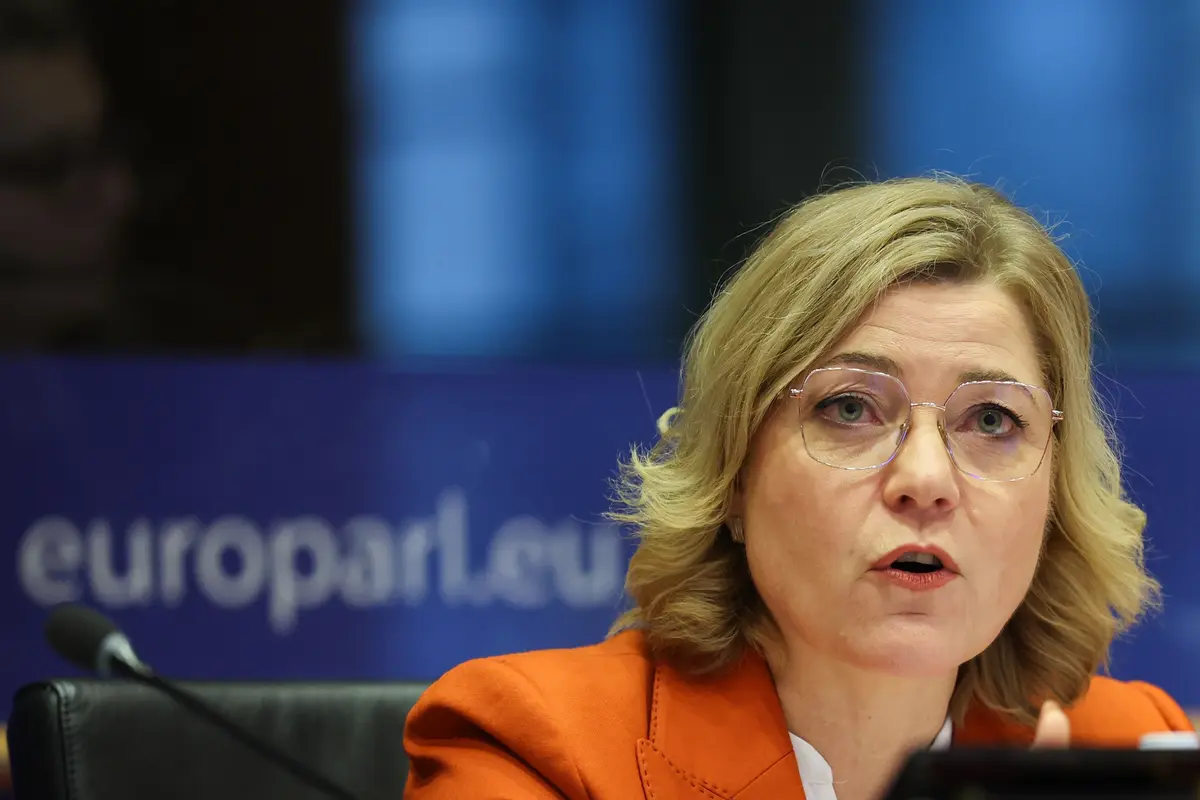
The European Commission insists the bloc has time to reverse course if regulatory decisions accelerate. Henna Virkkunen, Executive Vice-President for Tech Sovereignty, said Europe could yet become an “AI Continent” with investments in chips, quantum computing and trusted partners.
Virkkunen highlighted public procurement plans supporting at least 15 AI factories and five AI “Gigafactories” intended to train next-generation models within Europe, reducing dependence on U.S. technology providers and strengthening digital sovereignty.
Can Algorithms Bridge Democratic Divides?
Alexandra Geese, a Green MEP and one of the architects of the Digital Services Act (DSA), said engagement-driven algorithms are “fundamentally incompatible with democracy” because they systematically reward outrage rather than verified information. She said there are several systemic risks, including media freedom, that the DSA could draw on to change algorithms.
In response, experts from Sparkable and the Panoptykon Foundation, showcased “bridging algorithms” designed to counter social media polarisation by amplifying content popular with users who usually disagree. These systems aim to replace binary engagement metrics such as “likes” with signals measuring respect, insight, hope or empathy and offer users greater control over their feeds.
While this may help clean up some of the current toxicity, taken too far, filters risk removing content that challenges us. This could be problematic for journalists who describe the world as it is, rather than as the public would wish it to be.
Only Urgent and Decisive Action will do.
The message to Brussels was stark: without immediate capital investment and the political resolve to enforce EU tech sovereignty, Europe risks losing the race and enabling US capital to entrench control over Europe.
The demise of independent journalism able to scrutinise power — including EU institutions — will be the first casualty.
Industry observers warn the bloc now faces a strategic choice. One path leads toward a sovereign digital ecosystem capable of sustaining public-interest journalism. The other points to a hollowed-out media landscape dominated by global platforms driven by profit rather than democratic accountability.
For journalists, policymakers and regulators alike, the question is no longer abstract: will Europe assert control over its digital public square — or allow its news media to fall off the cliff?
- EU’s €1.25bn Journalism Fund Sparks Fears of Political Influence
- Hungarian Integrity Authority Chief Demands Retraction Over EUalive Article
- From Baghdad to Brussels: A War Correspondent on Press Freedom and Power
- AFP reporter to interview Belgian PM’s cat
- Magyar’s Entry Opens Gap for anti-EU Media in Brussels
